
Handwriting Improvement Tips for Grade 1 and 2 Children
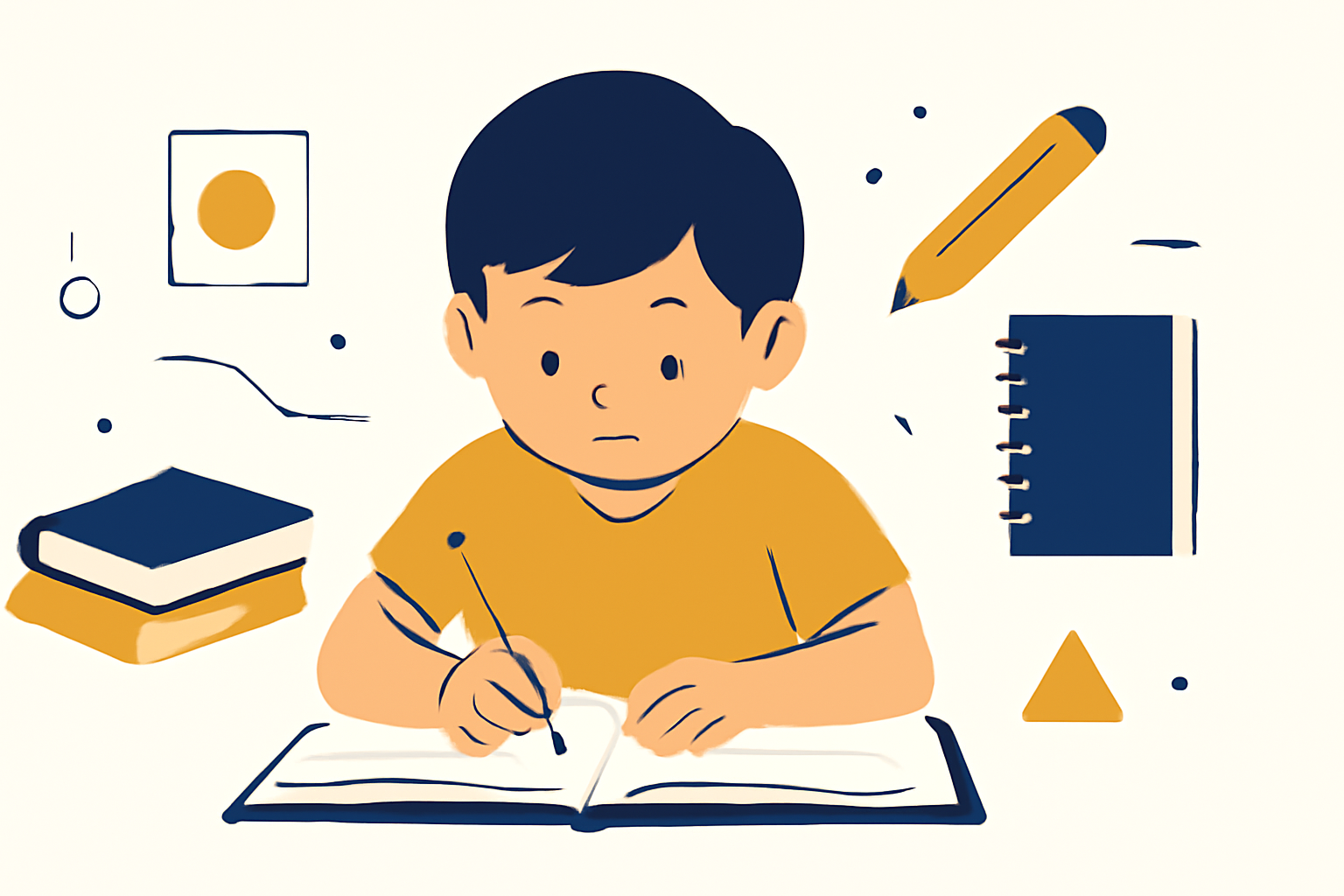
Understanding Handwriting Development in Early Primary Years
Transitioning into Grade 1 and Grade 2 marks a significant milestone in a child's educational journey. During these early primary years, children move from simple tracing exercises to independent sentence construction and creative writing. Whether your child follows the CBSE, ICSE, Cambridge, or IB curriculum, comfortable and legible handwriting plays an essential role in building academic confidence.
At this developmental stage, writing is far more than copying shapes onto paper. It involves a sophisticated interplay of fine motor strength, hand-eye coordination, spatial awareness, and posture. It is entirely common for young learners in Grade 1 and 2 to encounter challenges such as inconsistent letter sizes, weak pencil grip, or quick fatigue. Recognizing that handwriting is a physical skill that develops gradually allows parents to support their children with patience and structured practice.
By implementing targeted, encouraging strategies at home, you can make a genuine difference in your child's letter formation and pencil control. Here are practical handwriting improvement tips tailored specifically for young learners in early primary school.
Strengthening Fine Motor Skills Before Writing
Before a child can manipulate a pencil with accuracy, they must build strength and dexterity in their fingers, hands, and wrists. If a child's hand tires quickly, spending extra time gripping a pencil can lead to frustration. Engaging in fun, hands-on activities that build physical strength is often the most effective starting point.
Practical Hand-Strengthening Activities
- Playdough and Modelling Clay: Squeezing, rolling, flattening, and pinching clay strengthens the small muscles inside the hand that are vital for controlling pencil movements.
- Threading and Beading: Threading large beads onto laces or pasta onto string refines fine pinch movements and eye-hand coordination.
- Using Pegs and Tweezers: Games that involve squeezing clothes pegs or using child-friendly tweezers to sort small items help isolate the thumb, index, and middle fingers.
- Paper Tearing and Crafting: Tearing paper into small pieces for collages or cutting along curved lines with child-safe scissors promotes bilateral coordination—using both hands together in a controlled manner.
Supporting Posture and Stability
Good handwriting starts with core stability. A child who wobbles on their chair will struggle to control their hand movements. Ensure your child sits at a table where their feet rest flat on the floor or on a stable footrest. Their elbows should rest comfortably on the desktop at approximately a 90-degree angle, while their non-writing hand rests on the paper to keep it steady.
Mastering Pencil Grip and Paper Position
A comfortable grip enables the hand to move smoothly across the page without causing strain. The dynamic tripod grip—where the pencil is pinched between the thumb and index finger while resting gently on the middle finger—is widely considered the most efficient writing hold.
Encouraging a Natural Grip
Many children in Grade 1 and Grade 2 tend to hold their pencils too tightly or wrap their fingers awkwardly around the barrel. You can guide them towards a relaxed grip using simple methods:
- The Pinch and Flip Technique: Have your child lay the pencil on the table pointing away from them, pinch the grip section near the tip with their thumb and index finger, and then flip the pencil over so it rests softly in the web space between their thumb and index finger.
- Ergonomic Pencil Helpers: Triangular pencils or rubber grips offer subtle tactile cues, helping little fingers settle into the correct position naturally.
- Managing Pencil Pressure: If your child presses down heavily, causing the lead to break or leaving deep impressions on the page, try having them practice writing on softer surfaces, such as a pad of paper over a felt mat. If their writing is too faint, using soft graphite pencils or chalkboards can help them feel the feedback of the surface.
Adjusting Paper Orientation
Paper position makes a remarkable difference to fluid letter formation:
- Right-handed children: Slant the notebook slightly to the left (roughly 10 to 15 degrees).
- Left-handed children: Slant the notebook to the right (roughly 20 to 30 degrees) and encourage them to hold the pencil slightly further from the point so their hand does not cover or smudge their writing.
Daily Handwriting Improvement Tips for Home Practice
When applying handwriting improvement tips, consistency and short, enjoyable sessions yield far better outcomes than long, tedious drills. A focused ten-minute practice session each day is ideal for Grade 1 and 2 pupils.
Learning Letter Families and Formations
Rather than practicing the alphabet in rigid alphabetical order, group letters by how they are formed:
- Short letters: a, c, e, i, m, n, o, r, s, u, v, w, x, z (these rest comfortably between the base and middle lines).
- Tall letters (ascenders): b, d, f, h, k, l, t (these reach up towards the top line).
- Tail letters (descenders): g, j, p, q, y (these extend down below the baseline).
Four-line notebooks—frequently used in CBSE and ICSE schools—or ruled exercise books with central guide lines provide clear visual markers that help children understand proportion and spatial alignment.
Teaching Word Spacing and Movement
Grade 1 and 2 pupils often run words together or space letters unevenly. Simple visual aids help resolve this common issue:
- The Finger Space Helper: Encourage your child to lay their index finger on the page immediately after completing a word to show where the next word should begin.
- Craft Stick Spacers: Decorating a small wooden lolly stick creates a fun, physical tool your child can move along the paper as they write.
- Left-to-Right Markers: Draw a green dot at the top left of the page to indicate where writing starts and a red dot at the right edge to mark where to stop.
Making Handwriting Practice Multi-Sensory
Repetitive pencil-and-paper work can quickly feel dry for young learners. Incorporating multi-sensory activities keeps learning engaging and reinforces muscle memory in memorable ways.
Creative Sensory Writing Activities
- Tray Tracing: Spread a thin layer of fine sand, salt, or flour across a tray and let your child trace letters using their index finger.
- Air Writing: Ask your child to write large letters in the air using their entire arm. Moving larger muscle groups helps store the letter shape in their motor memory before they write on paper.
- Water Paint Brushes: Writing letters on an outdoor wall or chalkboard using a paintbrush dipped in water provides low-stress practice while building fine wrist control.
Celebrating Effort and Progress
Always offer warm encouragement and focus on steady improvement rather than perfection. Ask your child to select their favourite letter on the page and explain why they feel proud of it. Self-assessment builds awareness and instils a positive attitude towards writing.
At Lumivo, we appreciate that young learners develop physical control and confidence at their own individual pace. Gentle, structured support tailored to your child's needs helps make writing a comfortable and rewarding part of their everyday school life.
If you would like personalised guidance to support your child's primary education journey, please visit the Lumivo homepage and complete our simple enquiry form to get in touch with our team.
Want personalised guidance for your child?
Talk to a Lumivo tutor about CBSE, ICSE, IB or Cambridge — LKG to Grade 12.
Contact Lumivo